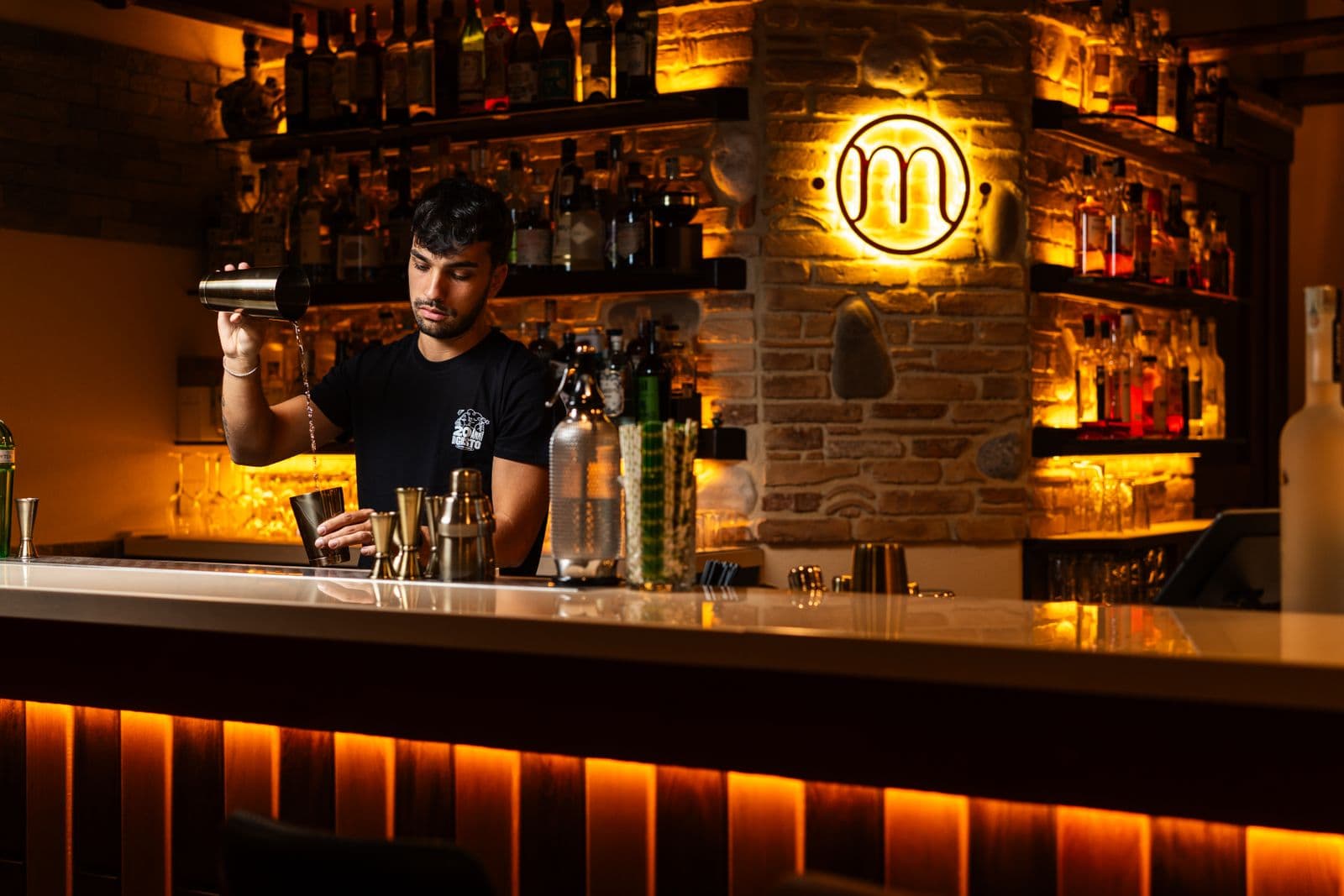
What is an automatic bartending machine?
An automatic bartending machine — also called a robotic bartender, cocktail machine or automated bar — is a commercial appliance that prepares and dispenses drinks on its own. Instead of a person free-pouring each cocktail, the machine stores your spirits and mixers, and pours precisely measured, repeatable drinks at the touch of a button. The result is bar-quality drinks served faster, more consistently and with far less reliance on skilled staff.
These machines sit at the intersection of hospitality and automation. At the simple end, a countertop bar-tap system pours beers and drinks-on-tap with metered portions. At the advanced end, a robotic cocktail machine holds a dozen or more ingredients and assembles complex cocktails automatically. What they share is consistency: every pour is exact, so a drink tastes identical on a quiet afternoon and a Saturday-night rush.
For venues, the appeal is practical. Skilled bartenders are hard to hire and expensive at peak; queues cost you covers and revenue; and manual pouring wastes spirit on every drink. An automatic bartending machine addresses all three — which is why bars, hotels, event companies and even corporate offices across India and the UAE are adopting them.
It's worth clarifying the terminology, because buyers and search engines use several names for the same category. "Automatic bartending machine", "automated bartending machine", "robotic bartender", "cocktail machine", "cocktail dispenser" and "automated bar" all refer to broadly the same idea — a machine that pours drinks without a person doing the mixing. The differences are mostly of degree: how many ingredients it holds, how much it automates, and whether it handles carbonation and payment. Keep that in mind as you compare products, because two machines described very differently may do much the same job.
Why automated bartending is taking off
Automated bartending has moved from novelty to necessity, driven by three forces. First, a persistent shortage of skilled bartenders — especially at peak and for events — makes consistent staffing expensive and unreliable. Second, rising labour and ingredient costs push venues to protect margins through precise, metered pouring. Third, guests now expect fast, cashless, tech-forward service, and a modern machine delivers exactly that.
An automatic bartending machine answers all three at once: it removes the staffing bottleneck at peak, eliminates over-pouring, and provides a slick self-serve or assisted experience. Add cloud recipes and analytics, and operators gain something a manual bar never had — complete visibility into what's being poured, when, and at what cost. For multi-site groups that visibility is transformative: every outlet pours the same drink to the same standard, and head office sees consumption, sales and stock across all locations in one dashboard. In a market where margins are tight and experience sells, that combination of speed, consistency and data is why adoption is accelerating across India and the UAE.
How does an automatic bartending machine work?
Under the hood, an automatic bartending machine is a precise fluid-handling system paired with recipe software. The core components are:
- Ingredient reservoirs — sealed containers holding spirits, mixers, syrups and juices.
- Pumps and valves — draw exact volumes of each ingredient on demand.
- A dispensing head — where ingredients combine and pour into the glass.
- A controller and touchscreen — where drinks are selected and recipes stored.
- Software and connectivity — cloud recipes, usage analytics and, on smart models, cashless payment and IoT telemetry.
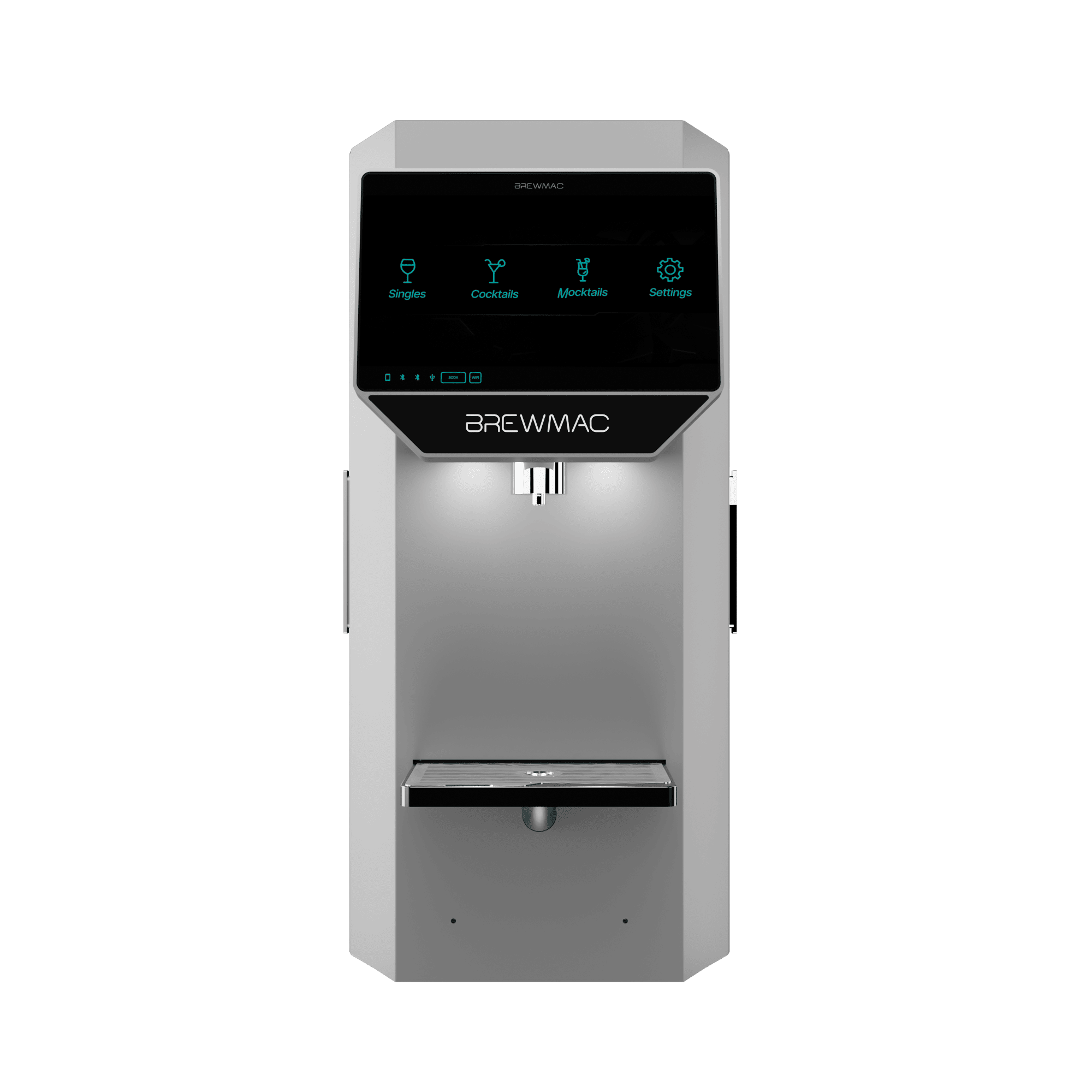
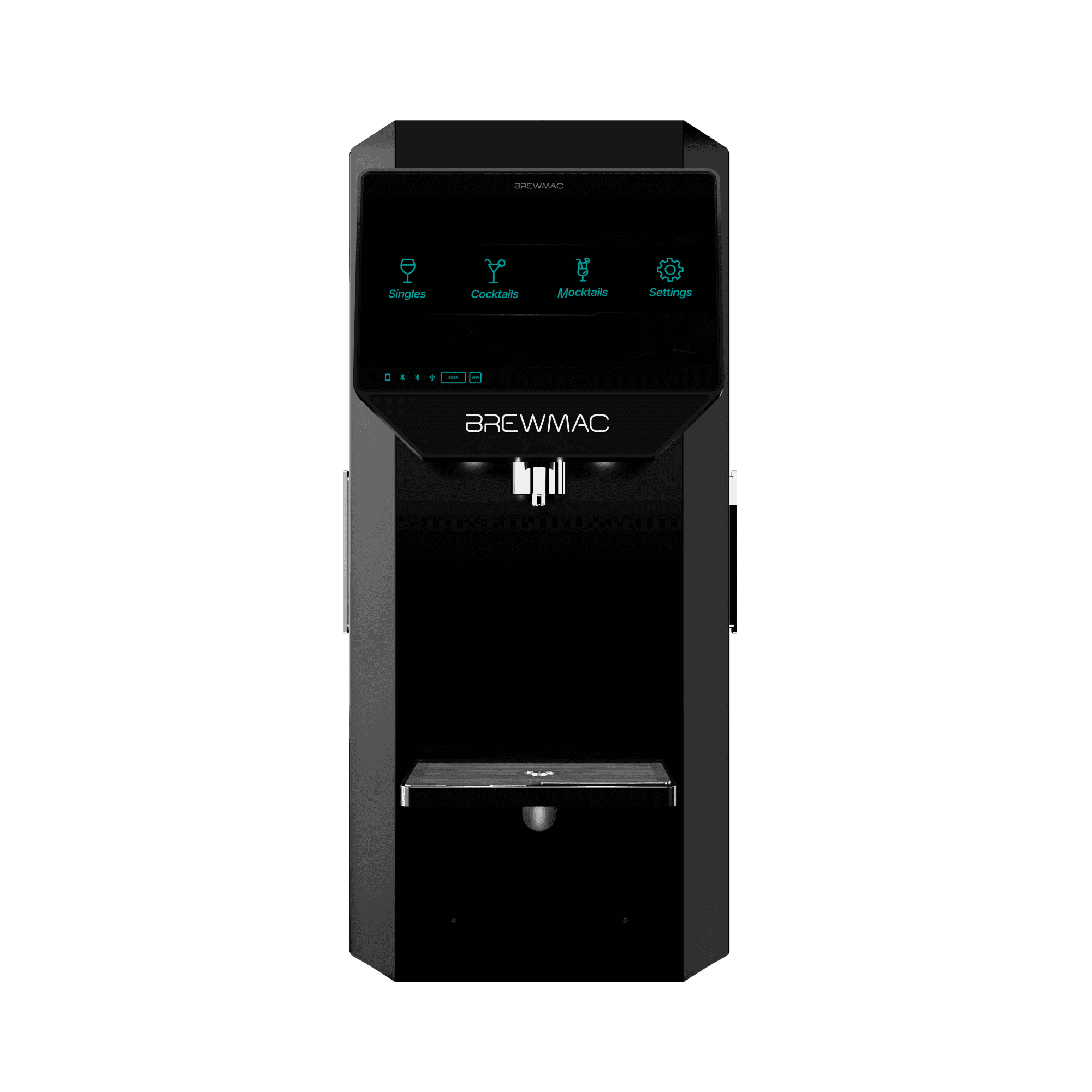
The process is simple from the outside: a customer or staff member selects a drink on the screen or app; the machine calculates the exact measures for that recipe; pumps draw each ingredient in the correct order; and the finished drink is dispensed — usually in seconds. Because the measures are software-controlled, the 500th drink of the night is identical to the first. Systems like the Brewmac Fusion add carbonation and chilling so they can serve sodas and mixed beverages as well as cocktails.
Types of bartending machines
"Bartending machine" is an umbrella term. Choosing well means understanding the three main types and where each fits.
1. Robotic cocktail machines
The high end. Multiple spirits and mixers, touchscreen ordering and the ability to prepare a wide cocktail menu with minimal human input. Built for throughput — hundreds of drinks an hour — these suit high-volume bars, nightclubs, hotels and large events. The Brewmac Classic is a typical flagship robotic machine.
2. Countertop bar-tap systems
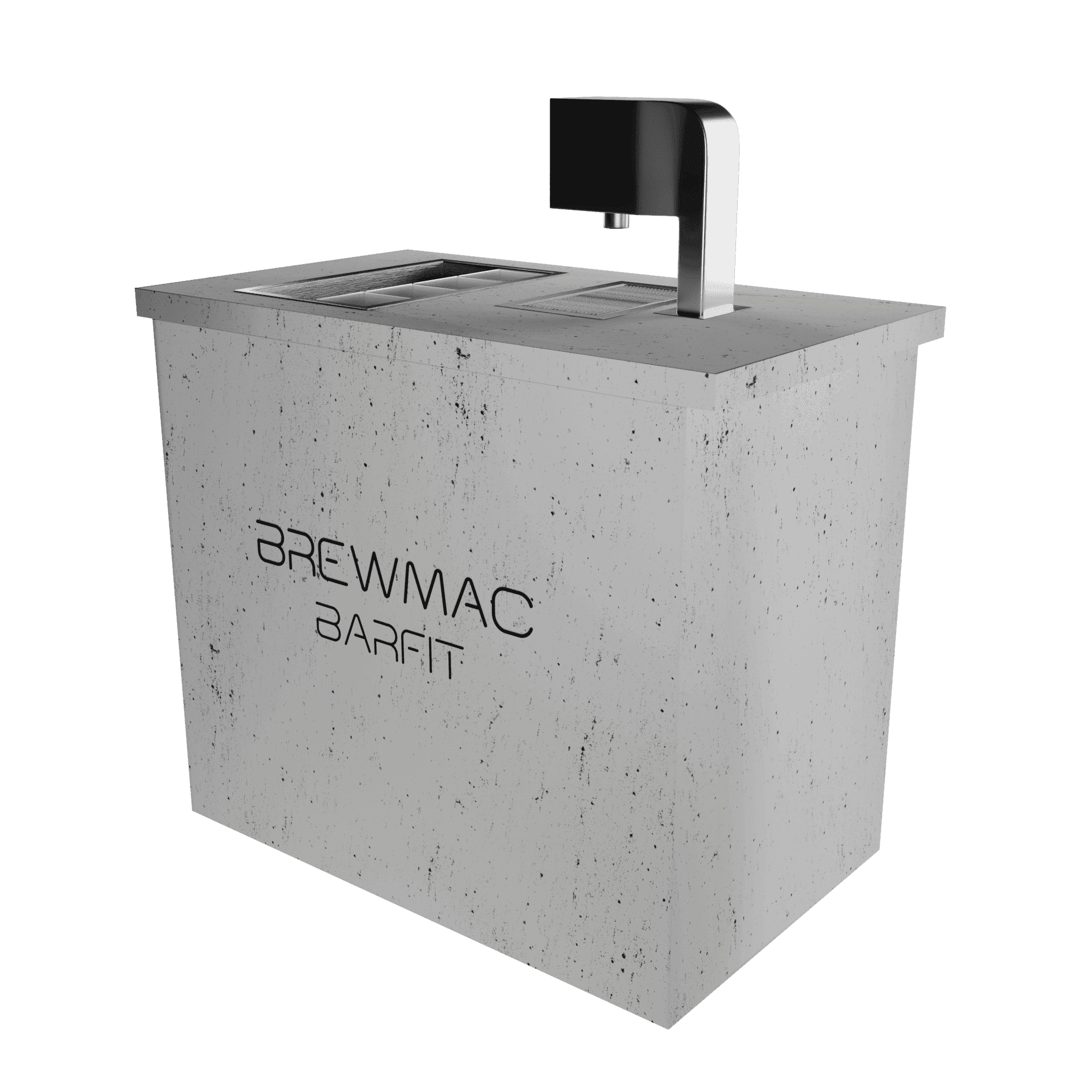
Compact, self-serve units that pour beers, cocktails-on-tap and beverages with automatic pour control. They fit where a full machine can't — offices, boutique bars, lounges and self-service taprooms. The Brewmac BarFit is an example, with metered pours and cashless access.
3. Beverage automation systems
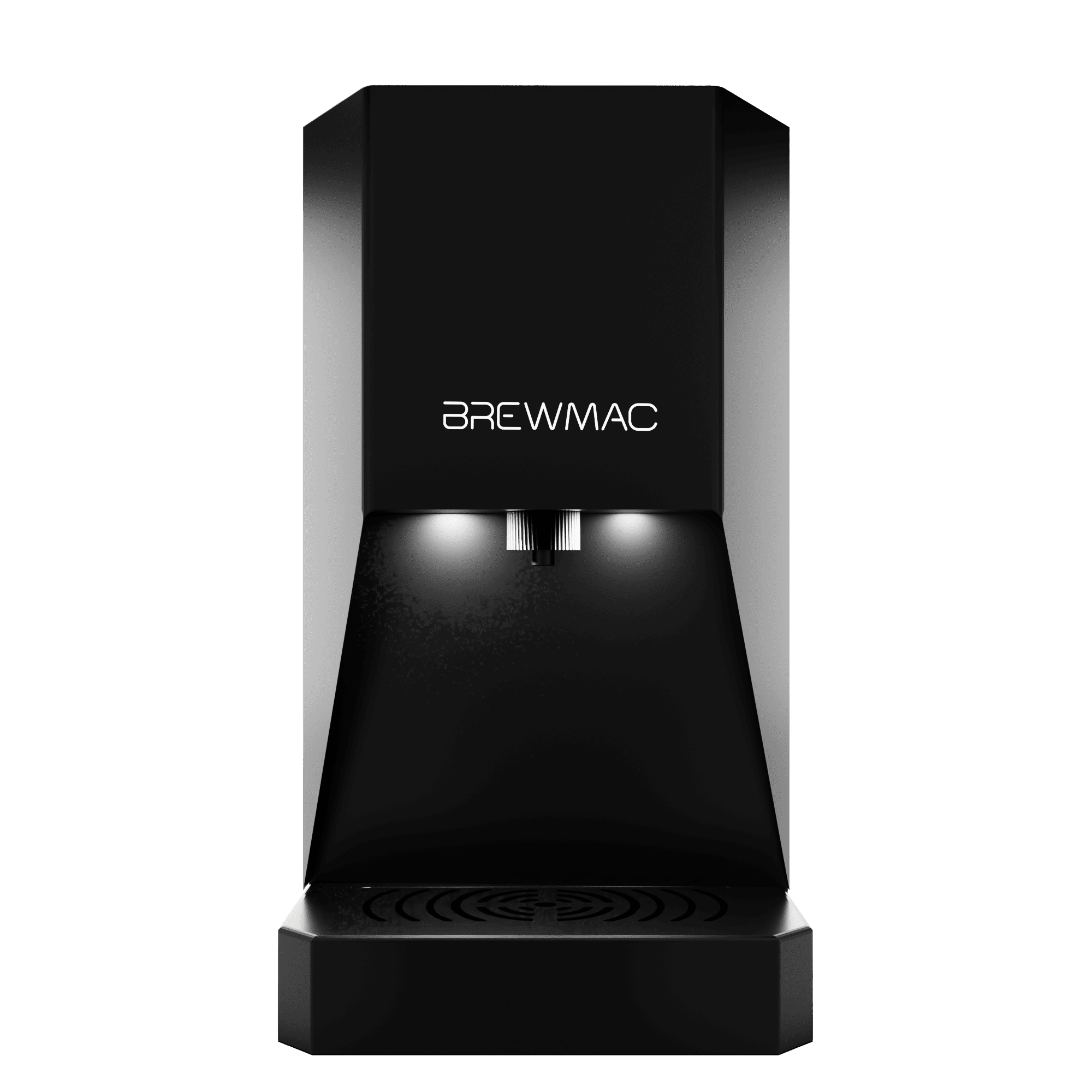
Platforms that go beyond cocktails to dispense sodas, mocktails and mixers, often with built-in carbonation and chilling. Ideal for hotels, restaurants, QSR and lounges wanting a full, all-day drinks menu. Learn more on our beverage automation page.
Key features to look for
Not every machine offers every capability. The features that matter most in a commercial setting are:
- Ingredient capacity — how many spirits and mixers can be live at once.
- Throughput — drinks per hour at peak.
- Recipe management — cloud recipes that lock consistency across shifts and sites.
- Payment and access — UPI, card, app or RFID; self-serve limits and controls.
- Analytics — consumption and sales reporting for stock and cost control.
- Branding — custom wraps and on-screen UI for your venue or sponsor.
- Carbonation and chilling — essential if you want sodas and cold mixers, not just spirits.
Smart, IoT & cashless capabilities
Modern machines are as much software as hardware. Smart, IoT-enabled bartending machines connect to the cloud to unlock capabilities a manual bar simply can't match:
- Cloud recipe management — update drinks across every machine and site instantly, so a new cocktail launches everywhere at once.
- Cashless payment — UPI, cards, wallets and app ordering, with zero cash handling or reconciliation.
- Access control — RFID or app-gated self-serve with per-user limits, ideal for corporate lounges and airport lounges.
- Real-time telemetry — live stock levels, sales and fault alerts pushed straight to your phone.
- Analytics — consumption and sales trends that guide stocking, pricing and menu decisions.
Together these turn a machine from a simple dispenser into a managed, accountable revenue point. For unattended venues — offices, lounges and airports — access control and cashless payment are precisely what make safe, self-serve operation possible without a member of staff standing over the machine.
Benefits of an automatic bartending machine
The business case rests on a handful of clear benefits:
- Speed at peak — clears queues and increases covers and drink revenue per night.
- Consistency — every drink is measured and identical, protecting your brand standard.
- Lower labour cost — serve peak demand with fewer bartenders; for events, replace temporary staff entirely.
- Less wastage — exact pours end over-pouring and spillage, protecting margin on every drink.
- Hygiene and control — contactless, cashless service with per-user limits where needed.
- Data — know exactly what's selling and when to restock.
Together these drive a fast payback. For busy venues, an automatic bartending machine often pays for itself within 12–24 months — see our price & ROI guide for how to work out the numbers for your venue.
Hygiene, safety & responsible service
Hygiene is a growing priority, and automated dispensing helps. Ingredients sit in sealed reservoirs rather than open bottles, reducing contamination and evaporation, while contactless, cashless ordering removes a physical touchpoint. Automatic line-cleaning cycles on many models keep the dispensing path sanitary between services. Just as importantly, metered pours support responsible-service policies by preventing over-serving, and per-user limits plus full transaction logs provide the accountability that regulated venues, corporate policies and auditors expect. As with any beverage equipment, routine cleaning and periodic servicing under an AMC keep the machine compliant, safe and reliable over its life.
See it pour before you buy
Book a live demo of an automatic bartending machine for your venue.
Automatic bartending machine vs human bartender
A machine and a skilled bartender aren't really rivals — they're good at different things. Here's how they compare on the factors venues care about:
| Factor | Automatic machine | Human bartender |
|---|---|---|
| Speed at peak | Up to ~300 drinks/hr, never tires | Limited; becomes the bottleneck |
| Consistency | Identical every pour | Varies by person and shift |
| Labour cost | Upfront cost, low ongoing | Scales with covers |
| Wastage | Metered, minimal | Free-pour over-pours |
| Craft & experience | Limited | Excellent |
| Best role | High-volume standard drinks | Specials, upsell, guest experience |
The verdict: most successful venues use both. Automate the high-volume standard pours and free your bartenders to craft specials and create experience. You can read a deeper breakdown in our guide, Automatic Bartending Machine vs Human Bartender.
Myths vs facts
Five common misconceptions about automatic bartending machines — and the reality:
| Myth | Fact |
|---|---|
| Machines replace all bartenders | They handle high-volume standard drinks; humans still craft specials and drive guest experience. |
| They only make cocktails | Beverage automation systems also pour mocktails, sodas, iced teas and mixers. |
| They're only for huge venues | Compact bar-tap systems suit offices, boutique bars and lounges just as well. |
| The drinks taste worse | Recipe-accurate, measured pours are more consistent than manual free-pouring. |
| They're too expensive | Payback is often 12–24 months through labour and wastage savings; rental and hire lower the barrier further. |
Where are automatic bartending machines used?
Anywhere consistent drinks at volume matter and labour is tight. The most common settings:
- Bars & nightclubs — clear peak-hour queues with fast, consistent cocktails.
- Hotels — brand-consistent drinks across lobby bars, banquets and rooftops, 24×7.
- Restaurants — faster table service and signature cocktails to an exact recipe.
- Events & catering — serve hundreds of guests fast, with predictable pour costs.
- Corporate & offices — controlled, cashless self-serve for socials and hosting.
- Airports & lounges — premium self-serve beverages around the clock.
- QSR & cafés — fast, recipe-consistent beverages across every outlet.
How to choose an automatic bartending machine
The right machine depends on your venue, not the glossiest brochure. Work through these six steps before you commit:
- Define your peak volume. How many drinks in your busiest hour? This decides robotic vs bar-tap.
- Decide your drink menu. Cocktails only, or mocktails, sodas and mixers too?
- Choose the machine type. Robotic for high volume, bar-tap for compact self-serve, beverage automation for a full menu.
- Check space, power and payment. Confirm footprint, a 230V socket (and water for some models), and how people pay.
- Compare price and buy-vs-rent. Purchase for steady use; rent or hire for occasional or event use.
- Book a demo and confirm support. Watch it pour, then confirm warranty, AMC and local service.
Buying from a brand-neutral supplier and manufacturer matters as much as the machine — installation, training, consumables and service determine whether it keeps earning.
Common mistakes to avoid when buying
A few avoidable mistakes trip up first-time buyers. Watch for these:
- Over-buying — specifying a full robotic machine when a compact bar-tap would comfortably serve your volume, tying up capital you didn't need to spend.
- Under-speccing — choosing too few ingredient slots and constraining your menu from day one.
- Ignoring total cost of ownership — the sticker price is only part of it; consumables, electricity and AMC all matter over the machine's life.
- Skipping the demo — never buy a machine you haven't watched pour with your own drinks and setup.
- Forgetting support — a machine is only as good as the service behind it; confirm local coverage and response times before you sign.
- Neglecting staff training — even automated machines need someone who can refill, clean and troubleshoot quickly.
The fix for all six is the same: work with a brand-neutral supplier and manufacturer who sizes the machine to your real needs and stays accountable long after the sale.
Custom & branded bartending machines
Off-the-shelf models cover most needs, but some venues want something bespoke — a specific form factor, a particular drink range, or full sponsor branding. Because we're also an on-demand manufacturer, we build custom and branded machines to order: custom wraps and on-screen UI, tailored ingredient configurations, and integrations with your POS or loyalty system. Brands and sponsors use branded machines as eye-catching activation pieces at events; hotel groups spec machines to match their bar design; and operators add capacity over time with modular add-ons like the Classic Extension. If a standard machine won't fit your vision, talk to our team about a build and we'll scope the hardware, branding and lead time alongside your quote.
Price & ROI
Bartending machine prices in India span a wide range. Countertop bar-tap systems start around ₹1.25 lakh; flagship robotic and beverage automation machines run up to ₹8 lakh. The final figure depends on ingredient capacity, throughput, automation, branding and payment integration.
Return on investment comes from three levers — labour savings, reduced wastage and higher throughput. Add the annual value of each, divide the machine cost by the total, and you have a rough payback in years. For a full breakdown by model plus a worked ROI approach, see our bartending machine price & ROI guide.
The future of automated bartending
The category is evolving quickly. Expect richer AI-assisted recommendations that suggest drinks by time of day, weather or a guest's past orders; tighter POS and loyalty integrations so the machine becomes a full point of sale; and smaller, more affordable units that bring automation to venues that once couldn't justify it. Sustainability is a growing theme too — precise pours cut liquid waste, and sealed ingredients reduce spoilage. As cashless and self-serve behaviour becomes the norm, automated bartending is likely to shift from a differentiator to an expectation, especially in high-footfall hospitality, corporate and travel settings. Buying now — with a machine that supports cloud updates — means you can add these capabilities as they arrive rather than replacing hardware.
Installation, consumables & support
A bartending machine earns its keep only when it's running. Beyond the hardware, look for a partner that handles the full lifecycle: delivery and siting, power and (where needed) water hookup, payment configuration, staff training, consumables supply, and an annual maintenance contract with responsive local service. We provide all of this across India and the UAE, with a single account contact for procurement and support.
Buying in India & the UAE
We supply, install and support automatic and robotic bartending machines across India — including Delhi NCR, Mumbai, Bengaluru, Hyderabad, Pune and Goa — and across the UAE, including Dubai and Abu Dhabi. Wherever you are, you get local installation, training and after-sales service, plus buy, rent and per-event hire options.